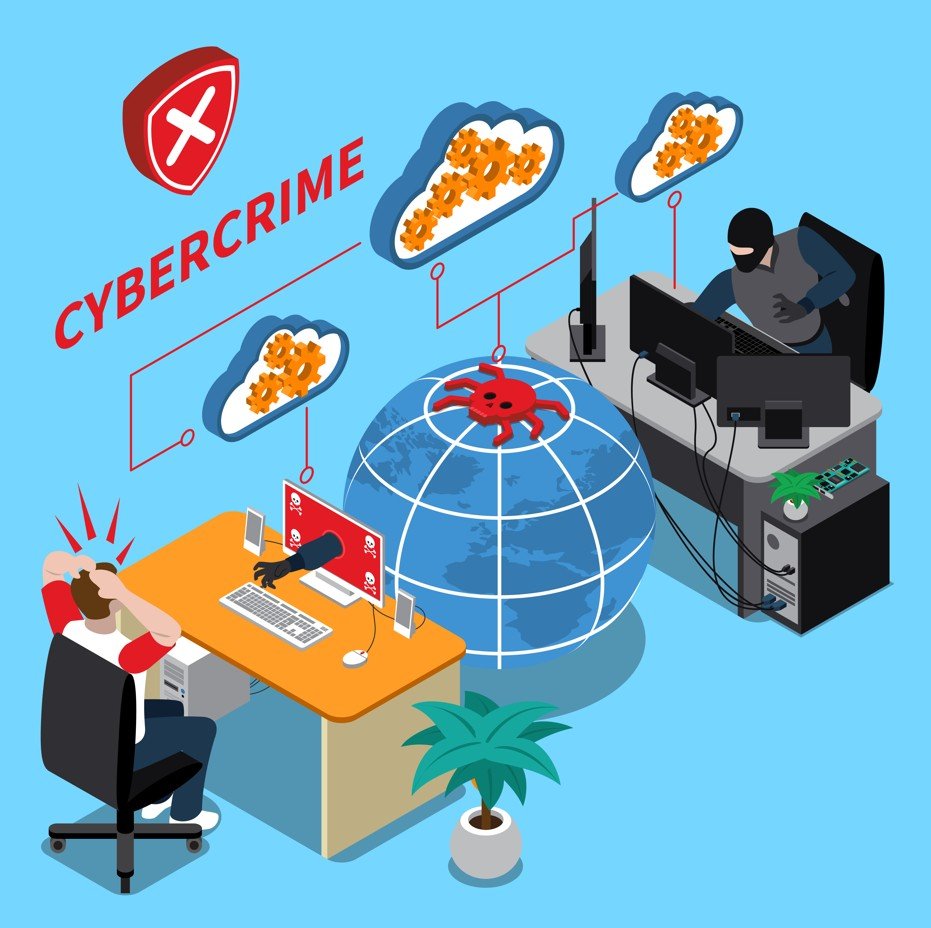
In As 2026 unfolds, the cybersecurity landscape is evolving faster than ever, bringing both opportunities and critical risks. Staying updated on the latest threats is essential for individuals, businesses and governments alike. According to recent cybersecurity news 2026, global cybercrime costs are projected to surpass $10 trillion this year, highlighting the urgency for proactive defense measures. Emerging cyber threats continue to exploit gaps in digital infrastructure, targeting personal, financial and corporate data with increasing sophistication.
The nature of cybercrime is shifting from opportunistic attacks to highly targeted campaigns. Ransomware, AI-powered malware and sophisticated phishing schemes dominate headlines in the US, UK, Canada and Australia. These attacks do not just threaten financial loss but also disrupt essential services, compromise sensitive data, and damage reputations. Cybersecurity experts stress that understanding these threats is critical for mitigating risks and maintaining trust in an increasingly digital world.
In addition, the rapid adoption of remote work, cloud computing and Internet of Things (IoT) devices has expanded attack surfaces significantly. Even personal devices now act as gateways for attackers into corporate networks. Awareness of emerging cyber threats, actionable mitigation strategies, and the latest cybersecurity trends are key to protecting both personal and business data. This article explores the most significant cybersecurity threats of 2026, offering insights, examples and practical protective measures.
Ransomware Evolution in 2026
Ransomware remains one of the most disruptive threats in 2026, evolving far beyond its early forms. Today, ransomware 2026 involves highly targeted campaigns designed to maximize financial gain while increasing pressure on victims through double extortion tactics, involves stealing sensitive data before encrypting systems, then demand larger ransoms while threatening to release sensitive information publicly. Key targets include healthcare, finance, manufacturing, government agencies and critical infrastructure.
Recent ransomware attacks in the UK and US illustrate the growing sophistication of these threats. For example, the GlobalHealth ransomware incident compromised thousands of patient records, disrupting hospital operations and forcing emergency protocols. Other examples include a US hospital network faced a ransomware attack in Q1 2026, forcing temporary shutdowns of several critical departments. In the UK, a logistics company’s operations were disrupted for days due to ransomware that encrypted operational systems while threatening to release client data. Attackers increasingly exploit cloud-based backup systems, previously considered safe, to bypass traditional security measures.
Multi-layered ransomware attacks now often combine data exfiltration, distributed denial-of-service (DDoS) threats, and social engineering tactics to pressure organizations into paying ransoms quickly. Attackers now employ AI-driven malware, remote desktop exploits and highly personalized phishing emails to gain initial access. The US municipal ransomware incident earlier this year temporarily halted essential utility services, demonstrating how these attacks can affect everyday life. Businesses are investing in incident response planning, employee training, and threat detection systems to combat ransomware 2026.
AI-Powered Cyber Attacks: The Next Frontier
Artificial intelligence has emerged as a double-edged sword in cybersecurity. While organizations use AI to detect threats, cybercriminals are deploying AI to automate attacks and bypass traditional defenses. AI cyber attacks 2026 exploit behavioral patterns, enabling machine learning hacking to craft convincing phishing emails, deepfake voice calls and adaptive malware. For instance, a Canadian financial firm reported a breach where AI-generated spear-phishing emails tricked employees into disclosing login credentials, resulting in unauthorized transactions.
One alarming trend involves AI-driven ransomware campaigns that analyze networks to prioritize high-value targets. Attackers are also using AI to identify vulnerable systems, craft tailored social engineering campaigns, and automate large-scale malware deployment. The speed and sophistication of these attacks make them difficult to detect with conventional signature-based systems.
Organizations are responding by integrating AI-powered defense tools, such as anomaly detection and real-time threat intelligence. Experts warn that machine learning hacking will continue to evolve, necessitating a proactive approach combining human expertise with AI-assisted monitoring. Understanding AI-powered threats is crucial as these attacks continue to grow in sophistication and scale.
You can also read: AI-Powered Cyber Attacks Are Rising in 2026: What Security Experts Are Warning
Advanced Phishing Scams You Need to Recognize Now
Phishing remains one of the most prevalent attack vectors in 2026, but the scams have become more advanced and personalized. Phishing scams 2026 exploit email, SMS, and social media platforms, often using current events, financial incentives, and personalized messaging to manipulate victims.
Smishing; SMS-based phishing has surged in popularity. Attackers pose as banks, payment platforms, or government agencies, sending malicious links or attachments. A major trend is business email compromise (BEC), where attackers impersonate executives to authorize fraudulent transactions. The US alone reported over $2 billion in losses due to BEC attacks in early 2026. Social media phishing also continues to grow, with fake profiles targeting individuals to extract login credentials or sensitive information.
Detecting phishing involves vigilance: checking URLs, analyzing sender addresses, avoiding unsolicited attachments, and recognizing urgent requests. Businesses mitigate phishing risks by deploying email filters, anti-phishing software, conducting employee simulations and providing ongoing training. Awareness of these advanced phishing scams in 2026 is critical to safeguarding personal and corporate data.
Supply Chain Vulnerabilities Gaining Momentum
Supply chain attacks are among the most insidious threats in 2026, targeting trusted vendors, cloud providers, and third-party contractors. In 2026, these incidents, such as the SolarWave compromise, highlight the potential for a single vendor breach to impact thousands of organizations. Another notable 2026 example involved an Australian cloud service provider whose compromised software update introduced malware into downstream clients, affecting thousands of sensitive records.
Cyber risks for businesses increase when third-party security is assumed rather than verified. Attackers inject malicious code, intercept communications, or compromise software updates to gain widespread access. Industries like healthcare, finance and logistics are particularly vulnerable due to interconnected systems.
Mitigation involves rigorous vendor assessments, continuous monitoring, contractual security requirements and strict access control policies. Network segmentation and audit protocols can limit exposure and contain potential breaches. Understanding supply chain vulnerabilities gaining momentum in 2026 is essential for comprehensive cybersecurity defense.
Data Breaches and Personal Information Exposure
Data breaches continue to threaten millions of individuals and organizations in 2026. High-profile cases, such as the US retail chain breach affecting over 10 million accounts and a UK telecom breach exposing personal information of millions of subscribers. Also, this month, February 2026, a massive data leak was reported involving an unsecured database from an AI-powered identity verification provider, IDMerit. The leak was said to have exposed over 1 billion records, including government IDs, personal data and emails, affecting users across the US, UK, and other countries. Such breaches underscore the importance of personal data protection and proactive cybersecurity strategies.
Data breach 2026 trends indicate attackers increasingly target cloud services, misconfigured databases and third-party storage. Consequences include regulatory fines, reputational damage and financial loss. Individuals are also at risk, as stolen personal information fuels identity theft and further social engineering attacks.
Preventative measures include encryption, strong authentication, regular security audits, and breach response plans. Staying informed about major breaches in 2026 allows both individuals and organizations to anticipate risks and strengthen defenses proactively.
Cybersecurity Threats Targeting US, UK, Canada and Australia
Cyber attacks US 2026 and cybersecurity news UK 2026 indicate Tier 1 countries remain prime targets for sophisticated attacks. In the US, ransomware and AI-powered malware disrupt healthcare systems, critical infrastructure, and municipal services. UK faces increasing threats from phishing and supply chain attacks impacting both private and public sectors.
Canada and Australia are not immune; remote work vulnerabilities, IoT devices and cloud systems present key entry points for attackers. Recent Australian healthcare ransomware incidents illustrate the global reach of cybercrime. Governments in these countries invest heavily in cybersecurity programs, threat intelligence sharing and regulatory frameworks to counter these threats.
Understanding cybersecurity threats targeting Tier 1 countries is essential for global organizations and IT professionals. Patterns observed in these regions often signal emerging attack methods that could spread worldwide.
Protective Measures: How Individuals and Businesses Can Stay Safe in 2026
Adopting cybersecurity best practices 2026 is critical. For individuals:
-
Use multi-factor authentication (MFA) for all accounts
-
Install and update antivirus and anti-malware tools
-
Employ VPNs when accessing public Wi-Fi
-
Stay vigilant against phishing scams 2026
For businesses:
-
Conduct continuous employee training and simulated phishing exercises
-
Maintain up-to-date patch management and endpoint security
-
Implement network segmentation and firewalls
-
Deploy intrusion detection and AI-powered threat monitoring
-
Develop comprehensive incident response plans and cloud backup strategies
These measures help reduce exposure to ransomware, supply chain attacks and AI-driven threats, ensuring resilience in a complex cyber landscape.
This may interest you: 10 Biggest Online Privacy Risks Most People Ignore (And How to Protect Yourself)
Emerging Trends to Watch in Cybersecurity
Cybersecurity trends 2026 point to several upcoming challenges:
-
Quantum computing threats: Future encryption vulnerabilities with potential to break current encryption standards.
-
Deepfakes: Increasingly used in social engineering, identity attacks and fraud campaigns.
-
IoT vulnerabilities: Smart devices, vehicles and connected homes are increasingly targeted.
-
AI in defense and attack: Rapid automation of both threats and protection
Organizations must adopt threat intelligence, machine learning defense systems, and proactive regulatory compliance. Awareness of these future cyber threats allows businesses to stay ahead of attackers and implement adaptive security strategies.
Conclusion
2026 presents an increasingly complex and high-stakes cybersecurity environment. From ransomware evolution and AI-powered attacks to advanced phishing scams and supply chain vulnerabilities, the threats are sophisticated, widespread and constantly evolving. Countries like US, UK, Canada and Australia, remain major targets, making awareness and preparedness essential for individuals and businesses alike.
By understanding these threats, adopting cybersecurity best practices 2026, and monitoring emerging trends, organizations and users can mitigate risk and safeguard personal and corporate data. Staying proactive, informed, and vigilant is the key to navigating the digital landscape safely. The combination of awareness, advanced protective measures and adaptive strategies ensures resilience in an era of unprecedented cyber challenges.