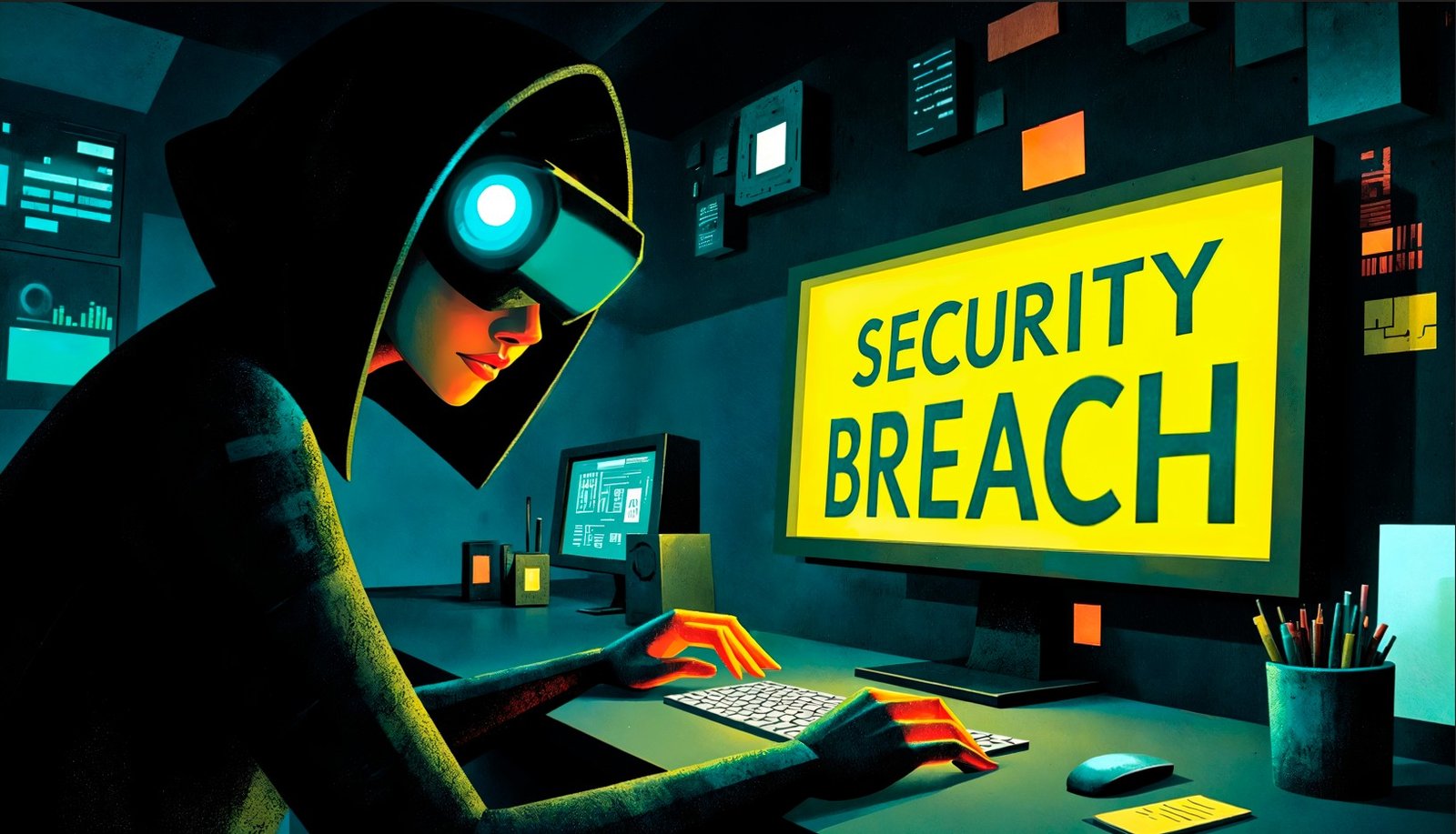
Data breaches are no longer rare, isolated events – they are now a constant risk in our digital lives. As we enter 2026, millions of individuals across the United States, United Kingdom, Canada, and Europe are still dealing with the fallout from cyberattacks disclosed in late 2024 and throughout 2025. Data that once seemed securely guarded by multinational corporations and government agencies was leaked to the dark web in unprecedented volumes. These developments aren’t just headlines but direct threats to personal data security and online safety.
Healthcare systems, telecom providers, government contractors, and global consumer platforms have all reported significant cybersecurity incidents. In many cases, investigations and user notifications are still ongoing, meaning personal data remains at risk. For individuals living in countries like the US, UK, Canada and Western Europe, the fallout of these data breaches can be deeply personal. Corporations and governments might invest millions in cybersecurity, but even top-tier defenses are not impervious to highly organized cybercriminal groups. That’s why understanding what’s behind these breaches and how they affect you is critical.
For anyone using online banking, healthcare portals, retail apps, or government services, your information could already be circulating in underground marketplaces.
This guide breaks down:
-
Verified breach trends affecting tier 1 countries.
-
How hackers are operating in 2026.
-
How to check if you were affected and what to do immediately after a breach.
-
Practical steps to protect your personal information.
Whether you’re a casual internet user, a business owner, or someone who values online privacy, this guide will help you strengthen your defenses, reduce your risk, and stay safe online in 2026 and beyond.
What Are Data Breaches and Why They Happen
A data breach occurs when unauthorized individuals gain access to confidential, protected, or sensitive information. This can include personal details like names and birth dates, financial data like credit card numbers, or login credentials such as usernames and passwords. In the context of recent data breaches 2026, these events have impacted individuals, businesses and public institutions alike.
Data breaches happen for several common reasons:
-
Phishing Attacks: Scammers trick users into revealing login details through fake emails or websites.
-
Ransomware: Malware that encrypts systems and demands payment to unlock data.
-
Unsecured Servers: Poorly configured cloud servers or databases that are left accessible to the public internet.
-
Insider Threats: Employees or contractors who accidentally or intentionally expose data.
Here are real-world examples from 2026:
-
A major international retail chain suffered a breach due to an unsecured cloud storage bucket, exposing millions of customer records.
-
A government agency in Europe reported a ransomware attack that compromised social services databases.
-
An online education platform experienced a credential leak after a phishing compromise of administrative email accounts.
In each case, personal data security was undermined, not necessarily by cutting-edge hacking, but by exploiting common weaknesses. Understanding these causes helps you recognize risk areas and protect yourself more effectively.
Top Verified Data Breaches Impacting 2025 & Early 2026
As of March 2026, several large‑scale data breaches disclosed in late 2024, 2025, and early 2026 continue to affect millions of people globally. The following breaches are verified by official disclosures, government portals, or reputable cybersecurity reporting. We focus on incidents affecting tier 1 countries such as the United States, United Kingdom, Canada, Australia and Europe. and highlight the estimated scale of data exposed, along with confirmed or publicly claimed threat actors where applicable.
1. Episource (Healthcare) in United States (Jan–Feb 2025)
A ransomware attack on Episource, LLC, a healthcare billing and risk adjustment provider, exposed protected health information (PHI) for approximately 5.42 million individuals. Data included:
-
Names and contact information.
-
Social Security numbers.
-
Insurance policy IDs (Medicaid/Medicare).
-
Clinical information.
Source / Verification: HIPAA Journal
Why it matters:
Healthcare vendors are increasingly targeted because medical data is highly valuable on underground markets or darkweb. Stolen PHI can be used for insurance fraud and identity theft.
2. Yale New Haven Health in United States (March 2025)
In March 2025, Yale New Haven Health suffered a breach impacting approximately 5.56 million patients. Compromised data included:
-
Patient names.
-
Dates of birth.
-
Contact information.
No financial data was exposed.
This incident became one of the largest individual healthcare exposures in 2025 and was widely covered by Reuters and regional news outlets.
Source / Verification: BrightDefense
3. DaVita in United States (April 2025)
DaVita, a major kidney care provider, suffered a ransomware incident affecting approximately 2.69 million individuals.
Data exposed:
-
Demographic and clinical info.
-
Tax-related data.
-
Health identifiers.
The ransomware group Interlock claimed responsibility.
Healthcare systems with extensive networks and third‑party integrations remain high‑value ransomware targets.
Source / Verification: HIPAA Journal
4. Aflac in United States (2025)
Data breach notifications in 2025 indicated that Aflac, a major US‑based insurance provider, reported unauthorized access affecting an estimated 22.65 million individuals. Although detailed breach conditions and threat actor attribution have not been widely published as of March 2026, this exposure remains one of the largest of the year based on breach portal data and multiple notification letters.
This case underlines how large insurers can inadvertently expose massive volumes of PHI and identity information.
Note: Attribution of the attackers remains under investigation.
5. Conduent Business Services in United States (Late 2024 to Early 2025, Impact Ongoing)
The breach of Conduent, a major government contractor, is still unfolding in early 2026 due to delayed and expanding notifications. According to notifications filed by multiple U.S. states, the breach which began in October 2024 and was disclosed in 2025 has affected at least 25 million individuals. Compromised data includes:
-
Names and dates of birth.
-
Social Security numbers.
-
Addresses.
-
Health insurance and medical data.
Reporting suggests the SafePay ransomware gang may have been involved, based on data posted on dark web leak sites tied to the breach.
States like Texas (15.4M) and Oregon (10.5M) account for major portions of the affected population. This case remains one of the largest ongoing personal data exposures in the United States.
Source / Verification: TechCrunch
Key Lesson: Third-party vendors remain a critical vulnerability.
6. Optus Telecommunications Breach in Australia (September 2025)
One of the largest confirmed breaches in the Asia-Pacific region occurred at Optus in September 2025, with effects that carried over into late 2025 and early 2026.
What Was Exposed:
-
Names and dates of birth.
-
Phone numbers and email addresses.
-
Partial driver’s license details and Medicare numbers.
This breach affected nearly 10 million customers, approximately 40% of Australia’s population, and resulted in national investigations into cybersecurity practices for telecom providers. Although not a tier 1 Western country by strict definition, the breach had global ripple effects, influencing cybersecurity expectations and regulatory responses across Europe and North America. Many Optus customers reported phishing attempts and social engineering scams following the incident.
Source / Verification: Reuters
7. ManageMyHealth in New Zealand (Dec 2025 / Early 2026 Impact)
While outside the core tier 1 markets, this breach is relevant due to the sensitive nature of medical records and ongoing 2026 response. The ManageMyHealth online patient portal suffered unauthorized access in late December 2025 with more than 400,000 medical documents exfiltrated, affecting around 120,000 individuals. The threat actor identified itself as “Kazu” and demanded ransom for the stolen data.
These records included patient referrals, lab results, and clinical correspondence details that could be used for identity theft and targeted scams.
Source / Verification: Wikipedia
8. Odido Telecom Breach in Netherlands (February 2026)
In February 2026, Dutch telecommunications company Odido publicly confirmed a significant breach that exposed the personal information of around 6.2 million customers.
What Was Exposed:
-
Full names.
-
Residential addresses.
-
Phone numbers and email addresses.
-
Bank account IBAN numbers.
-
Dates of birth.
-
Passport or driver’s license numbers.
The hacker group ShinyHunters known for multiple public data leaks claimed responsibility and began publishing the stolen information on dark web forums. Dutch police and cybersecurity authorities are investigating, and Odido has advised customers to watch for identity theft risks.
The Odido breach represents one of the largest telecom data exposures in Europe in early 2026. This breach highlights how telecom providers which store both identity and financial data remain high-value targets for cybercriminals attacking personal data repositories.
Source / Verification: Reuters
9. Other ShinyHunters‑Linked Claims in Multiple Organizations (2025–2026)
The ShinyHunters cybercriminal collective has claimed responsibility for several high‑profile data leaks that emerged in late 2025 and early 2026, though public verification varies by case. According to reporting on their activity:
-
Panera Bread alleged breach (around 14 millions records).
-
Figure Technology Solutions compromised (approximately 1 millions records).
-
Luxury brands such as Gucci and Balenciaga reported breaches involving tens of millions of records, including names, emails, and purchase history
ShinyHunters also claimed a large data dump tied to user analytics data ( approximately 200 millions records) from adult entertainment platforms. In many cases, the companies acknowledged unauthorized access, though the full scope and threat actor impact remain under investigation.
Source / Verification: Wikipedia
These claims emphasize how organized groups sometimes exploit compromised credentials and cloud misconfigurations to amass large data sets that are later leaked or extorted.
Note: Attribution is reported as claimed responsibility; investigations are ongoing.
How Hackers Are Exploiting Your Data in 2026
Once hackers obtain leaked data, their exploitation techniques evolve rapidly. Cybercriminals may use:
- Account Takeovers: Using stolen passwords to access your online accounts directly.
-
Ransomware-as-a-Service (RaaS): Criminal groups rent ransomware kits to affiliates.
-
Phishing & Social Engineering: Fraudulent messages that trick you into entering credentials or financial info. These include fake emails targeting bank or healthcare users.
-
Supply Chain Attacks: Vendors and cloud providers exploited to compromise multiple clients.
-
Credential Stuffing: Using leaked usernames and passwords from one breach to hack other accounts.
These methods are especially prevalent in US, UK, Canada, Australia and Europe, where banking services, government portals, or digital wallets represent high-value targets. Recognizing these cybercrime methods helps you stay more vigilant and avoid becoming a victim.
How Data Breaches Impact Individuals and Businesses
The effects of data breaches go far beyond headlines:
-
Personal Information Theft: Stolen data like names and social security numbers can be used for fraud or identity theft.
-
Financial Loss: Bank accounts, credit cards, or investments can be compromised if financial details leak.
-
Reputational Damage: Businesses lose customer trust and often incur expensive regulatory fines.
-
Long-Term Credit Harm: Victims may spend months or years resolving unauthorized loans or accounts opened in their name.
For individuals, even a single exposed password can lead to account takeovers across email, banking, and social media. For businesses, breaches can cost millions in recovery, legal liabilities, and customer attrition. That’s why understanding both consequences of data breaches and how to respond is vital.
Signs Your Personal Data May Have Been Compromised
You may have been affected by a breach if you notice any of the following:
-
Unusual login attempts or notifications from accounts you didn’t access.
-
Unexpected password reset emails.
-
New accounts or credit checks you didn’t initiate.
-
Unauthorized charges on bank or credit statements.
-
Messages from friends about suspicious communications from your email or social media.
If your email or phone number appears in an online breach database (e.g., haveibeenpwned.com), it’s a strong indicator your data is circulating among attackers. Early detection of identity theft warning signs can drastically reduce the long-term impact of hacked accounts.
How to Check If You Were Affected
To check if you have been affected by a data breach, consider the following:
-
Official breach notifications: Companies are required to alert impacted users.
-
Breach monitoring tools:
-
Government portals:
-
US: HHS breach portal (HHS.gov)
-
UK: Information Commissioner’s Office (ICO.org.uk)
-
-
Financial account checks: Look for unauthorized activity.
-
Credit freezes: Prevent new credit applications if necessary.
Immediate Steps to Protect Yourself After a Data Breach
If you suspect your data has been compromised, act quickly:
1. Change All Passwords Immediately
Use unique, strong passwords for each account. Consider a reputable password manager to generate and store them securely.
2. Enable Two-Factor Authentication (2FA)
Add an extra verification layer like SMS codes, authenticator apps, or hardware keys to protect accounts even if a password leaks.
3. Monitor Financial Accounts
Check bank and credit card statements for unauthorized activity. Report suspicious transactions to your financial institution immediately.
4. Freeze Your Credit (US Only)
Contact major credit bureaus (Equifax, Experian, TransUnion) to halt new credit applications until you verify your identity is secure.
5. Report to Authorities
-
US: Federal Trade Commission (FTC) at identitytheft.gov
-
UK: Information Commissioner’s Office (ICO).
-
Canada: Report to local consumer protection agencies.
- Other Countries: Report to your appropriate law enforcement agency.
6. Update Security Questions and Backup Emails
Replace predictable or reused security answers with more random, secure options.
After a breach, it’s important to learn how to remove your personal information from the internet.
Do this now to minimize risk. Taking swift action can often prevent hackers from fully exploiting your exposed information.
Long-Term Security Measures to Protect Your Accounts
Beyond immediate response, build long-term defenses:
Regular Password Updates
Change passwords periodically and avoid reuse across services.
Use a VPN (Virtual Private Network)
Encrypt your internet traffic when on public Wi-Fi or untrusted networks.
Secure Cloud Storage
Ensure cloud backups use encryption and multi-factor protection.
Anti-Virus and Anti-Malware
Update security software frequently to guard against threats like ransomware 2026 variants.
Educate Yourself on Phishing and Scams
Learn how to spot fake links, suspicious attachments and social engineering tricks.
Understand Laws in Tier 1 Countries
Frameworks like the GDPR in Europe and CCPA in California enforce strict protections and breach notifications, giving users more rights over their data and transparency when breaches occur.
Cybersecurity hygiene isn’t set-and-forget. Commit to consistent practices to keep your accounts resilient against evolving threats.
Tools & Services to Safeguard Personal Information
To strengthen your defenses, consider integrating reputable tools into your digital life:
-
Password Managers: Platforms like NordPass, 1Password or LastPass generate and store complex passwords securely.
-
VPN Services: Providers such as NordVPN or ExpressVPN protect your connection and hide your IP address.
-
Secure Email Providers: ProtonMail or Tutanota offer enhanced encryption and privacy features.
-
Identity Theft Monitoring & Protection: Services like LifeLock or IdentityForce alert you if your data appears in suspicious places.
-
Cyber Insurance: A growing trend for individuals who want financial coverage against identity fraud impacts.
Common Myths About Data Breaches
Let’s debunk some dangerous misconceptions:
-
“It won’t happen to me.”
The reality: Data breaches are widespread, and anyone with an online presence is at risk. -
“Strong passwords alone are enough.”
Passwords are important, but without 2FA and secure practices, they’re insufficient against modern attacks. -
“Breaches only affect big corporations.”
Small accounts, personal emails and local services can all be breached and exploited.
Understanding the truth behind these myths helps you build more realistic expectations and take proactive cybersecurity measures rather than assuming safety.
Conclusion
Data breaches affecting 2025 and early 2026 have underscored a simple truth: no one or sector is immune from cyber threats. Healthcare systems, government contractors, and consumer platforms remain prime targets. But while breaches may be inevitable, the extent of the damage is within your control. Prioritize personal data protection with strong passwords, multi-factor authentication, real-time monitoring, checking exposure through trusted services and informed online habits.
Take both immediate and long-term steps to build resilient defenses against cyber threats. Subscribe to updates and guides that help you stay ahead of emerging risks and solidify your cyber safety in 2026. Your data deserves proactive protection. Following simple ways to protect your personal data can significantly reduce your risk.